


Introductin
Starting your journey into modern programming can feel like stepping into a massive, fast-moving labyrinth. With hundreds of frameworks, libraries, and applications launching every month, finding the best web development tools and resources is essential for surviving and thriving as a creator. Whether you are building your very first portfolio website or scaling a complex web application, the instruments you choose will directly dictate your productivity, code quality, and overall sanity.
The digital landscape has evolved rapidly, demanding faster load times and cleaner code. This comprehensive guide breaks down the absolute best web development tools and resources available today, helping both beginners and intermediate developers cut through the noise. We will explore the core utilities that streamline code creation, simplify debugging, and elevate user experience design.
What is the Ecosystem of Web Development Tools and Resources?

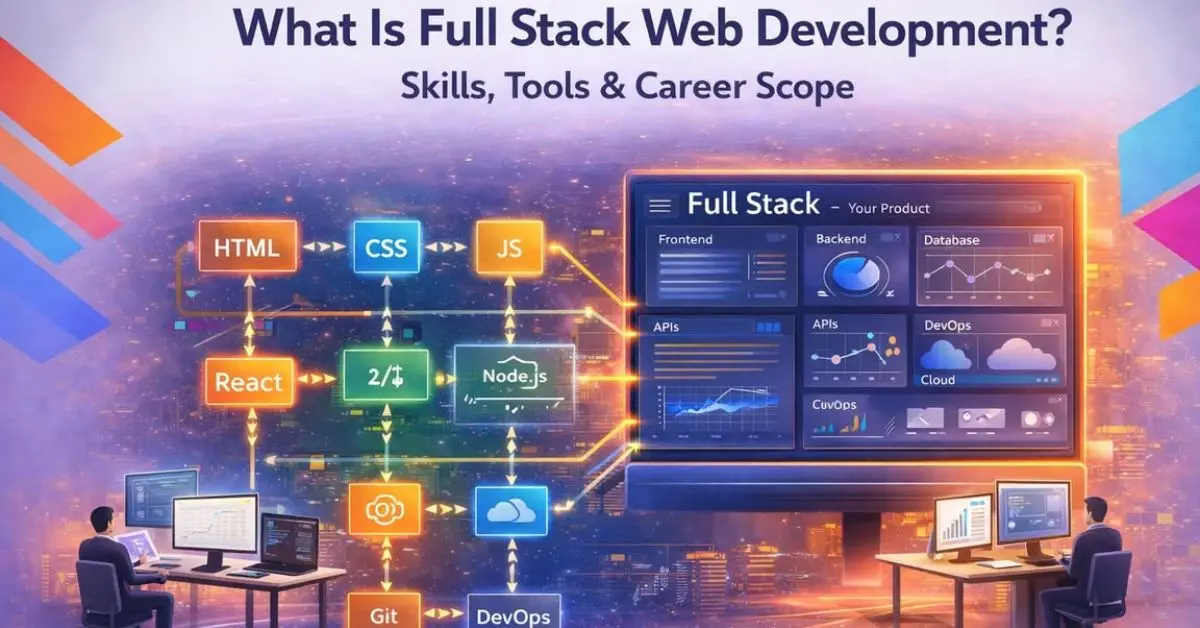
When we talk about the best web development tools and resources, we are referring to the entire software ecosystem that developers use to write, test, debug, and deploy websites. This ecosystem is broadly divided into several core categories:
- Code Editors and IDEs: The digital canvas where you write your actual HTML, CSS, and JavaScript.
- Front-End Frameworks: Pre-written code libraries that provide structure for building user interfaces.
- Version Control Systems: Tools that track changes to your code and allow teams to collaborate without overwriting each other’s work.
- Testing and Debugging Utilities: Software built directly into browsers or operating systems to find and fix errors.
Understanding how these components interact is the first major milestone for any aspiring web developer.
Why is Choosing the Best Web Development Tools and Resources Important?
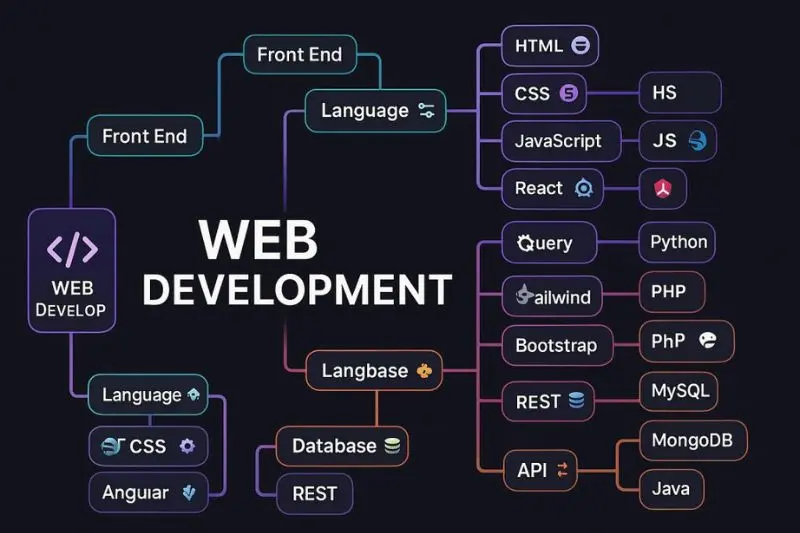
Using the right development stack is not just a matter of convenience; it directly impacts your career and project success. Here is why investing time in learning these tools matters:
- Drastic Time Savings: Modern tools automate repetitive tasks like formatting code, compiling files, and refreshing browsers.
- Enhanced Collaboration: Standardized tools allow multiple developers to work on the same codebase seamlessly.
- Optimized Performance: The best web development tools and resources help you write cleaner code, resulting in faster loading speeds and better SEO rankings.
- Error Prevention: Advanced editors catch syntax mistakes in real-time before your code ever goes live.
Detailed Step-by-Step Guide to the Top Web Development Tools
Navigating the vast sea of options can be overwhelming. Let us break down the absolute essential tools categorized by their specific role in your daily workflow.
1. Code Editors: The Developer’s Canvas (H3)
Your text editor is the place where you will spend the vast majority of your working hours.
- Visual Studio Code (VS Code): Currently the undisputed king of code editors. It is free, open-source, and backed by a massive library of extensions that customize your coding environment.
- Sublime Text: A lightweight, incredibly fast alternative that handles massive files without breaking a sweat.
2. Front-End Libraries and Frameworks (H3)
Frameworks give you a blueprint so you do not have to reinvent the wheel for every new website project.
- React: Developed by Meta, this component-based JavaScript library is perfect for building dynamic, interactive user interfaces.
- Tailwind CSS: A utility-first CSS framework that lets you design beautiful custom layouts directly inside your HTML files.
- Bootstrap: The classic framework for rapid prototyping, ideal for beginners who want responsive designs out of the box.
3. Version Control and Collaboration (H3)
Without version control, managing changes to your application becomes an absolute nightmare.
- Git: The industry-standard command-line tool used to track changes in your source code over time.
- GitHub: A cloud-based hosting service for Git repositories, acting as a social network and portfolio platform for programmers.
4. Browser Developer Tools (H3)
You cannot build modern websites without seeing how they behave inside a live web browser.
- Chrome DevTools: Built directly into Google Chrome, this utility allows you to inspect HTML elements, edit CSS styles on the fly, and view JavaScript console errors in real-time.
Benefits of Using the Best Web Development Tools and Resources
- Boosted Productivity: Features like auto-complete and code snippets let you write code twice as fast.
- Simplified Debugging: Visual error highlights prevent you from wasting hours searching for a missing semicolon.
- Seamless Hosting Deployments: Modern tools allow you to launch live websites with a single click from your terminal.
- Active Community Support: Popular utilities feature massive forums where you can find answers to almost any technical problem.
- Consistent Code Formatting: Built-in linters keep your code clean, readable, and uniform across large development teams.
Disadvantages and Risks of Over-Relying on Tools
- The Trap of Tool Fatigue: Spending more time configuring applications and updating plugins than actually writing meaningful code.
- Bloated Software Dependencies: Adding too many external libraries can heavily slow down your website load speeds.
- Stifled Fundamental Learning: Relying heavily on shortcuts before understanding the underlying HTML, CSS, and core JavaScript logic.
- Security Vulnerabilities: Utilizing outdated or unverified open-source packages can expose your application to malicious hackers.
Common Mistakes to Avoid When Choosing Your Stack
One of the biggest mistakes beginners make is trying to learn every single popular technology at the exact same time. This leads to quick burnout and massive confusion.
Another frequent pitfall is ignoring version control early on. Failing to commit your work to Git means one single computer crash could destroy weeks of progress. Always start simple with HTML, CSS, and basic JavaScript before moving on to complex setups.
FAQs
What are the absolute best web development tools and resources for a complete beginner?
For absolute beginners, the ideal starting stack consists of Visual Studio Code as your text editor, Google Chrome DevTools for debugging, and Git for tracking your progress. For learning resources, interactive coding websites offer fantastic structured paths.
Is Visual Studio Code completely free to use for commercial projects?
Yes, Visual Studio Code is entirely free for both personal and commercial use. It is open-source and maintained by Microsoft, supported by an expansive ecosystem of free plugins created by the global programming community.
Why should I learn Git so early in my web development path?
Git acts as a time machine for your project code. If you make a mistake that breaks your entire layout, Git allows you to instantly roll back to a previous working version without losing any data.
What is the difference between a code editor and an Integrated Development Environment (IDE)?
A code editor is a lightweight software program used strictly for writing text, whereas an IDE is a massive suite that includes built-in compilers, automated testing environments, and deep server integrations.
How do CSS frameworks like Tailwind speed up the design process?
Tailwind CSS provides pre-defined styling classes that you apply directly to your HTML elements. This eliminates the need to write separate, massive CSS stylesheets from scratch, drastically accelerating design iterations.
Can I build a professional website using only browser-based developer tools?
Browser developer tools are meant strictly for testing, inspecting, and temporary debugging. You still require a dedicated offline text editor to permanently save your source files and build a functional website.
Expert Tips and Bonus Resources
To truly maximize your efficiency, take the time to learn your editor’s keyboard shortcuts. Mastering simple commands like multi-cursor editing can save you thousands of hours over your programming career.
Additionally, utilize free documentation platforms like MDN Web Docs and DevDocs.io. Keeping these reference manuals bookmarked will prevent you from getting stuck when trying to remember specific syntax rules.
Conclusion
Finding and mastering the best web development tools and resources is a continuous journey that evolves alongside the internet itself. By focusing your attention on fundamental platforms like VS Code, Git, and Chrome DevTools, you build a resilient foundation that will serve you well for years to come. Remember that tools are meant to empower your creativity, not complicate it. Start with the basics, build projects consistently, and gradually expand your toolkit as your coding needs grow more advanced.
As you transition from a beginner to an intermediate developer, your relationship with these resources will naturally shift. You will move away from simply memorizing syntax and focus more on optimizing workflow efficiency, code maintainability, and user experience. Staying adaptable and keeping up with regular software updates will ensure your skill set remains highly relevant in a competitive industry.
Ultimately, the best configuration of technologies is the one that allows you to build high-quality applications with the least amount of friction. Start with the basics, practice by building real-world projects consistently, and gradually expand your toolkit as your engineering needs grow more complex. With the right combination of patience, curiosity, and modern development utilities, you can bring any digital vision to life.
