


Introduction
The internet has become an essential part of everyday life, transforming the way we communicate, work, learn, shop, manage finances, and entertain ourselves. Whether you’re sending emails, browsing social media, paying bills online, or storing important documents in the cloud, you’re constantly sharing information across digital platforms. While these technologies provide incredible convenience, they also expose users to various cybersecurity threats. As more personal information is stored and exchanged online, understanding how to protect your personal data online has become one of the most important digital skills anyone can develop.
Personal data is much more than your name or email address. It includes your phone number, home address, passwords, financial information, online shopping history, medical records, location data, identification documents, and even the photos you upload to social media. Every time you create an account, sign up for a newsletter, make an online purchase, or download a mobile application, pieces of your personal information are collected. Many legitimate companies gather this information to improve their services, but cybercriminals also actively search for opportunities to steal it for illegal purposes.
Over the past few years, cybercrime has grown significantly as more people rely on digital services. Hackers no longer target only large businesses or government organizations. Ordinary internet users have become frequent targets because they often have valuable personal information that can be exploited. Criminals use sophisticated methods such as phishing emails, fake websites, malicious software, ransomware, identity theft, social engineering, and password attacks to gain unauthorized access to sensitive data. In many cases, victims are unaware that their information has been stolen until financial losses or suspicious account activity occur.
One of the biggest misconceptions is believing that online security is only necessary for people who work in technology or have extensive technical knowledge. In reality, everyone who uses the internet has something worth protecting. Whether you own a smartphone, use online banking, shop through e-commerce websites, stream videos, or participate in social networking platforms, your personal information has value. Even something as simple as your email address can be used in spam campaigns, phishing attempts, or identity theft if it falls into the wrong hands.
Fortunately, protecting your personal information online does not require expensive software or advanced cybersecurity expertise. Most security incidents can be prevented by following basic digital safety practices and developing smart online habits. Creating strong passwords, enabling two-factor authentication, updating devices regularly, avoiding suspicious links, reviewing privacy settings, and using secure internet connections are all simple actions that greatly improve your online security. These habits take only a few minutes to implement but can save you from significant financial and emotional stress later.
Another reason personal data protection has become increasingly important is the rapid growth of connected devices. Today, people use smartphones, tablets, laptops, smart televisions, smart speakers, wearable fitness trackers, and even internet-connected home appliances. Each connected device stores some form of personal information and communicates through the internet. If one device becomes compromised due to weak security settings or outdated software, it may provide attackers with access to additional accounts or sensitive data. Therefore, protecting your personal information involves securing not only your computer but every device connected to your digital life.
Social media platforms have also changed how people share information. Millions of users post updates about their daily activities, vacations, workplaces, family members, and personal achievements without realizing how much information they reveal. Cybercriminals often use publicly available details to answer security questions, guess passwords, impersonate victims, or launch targeted phishing attacks. While social media allows people to stay connected with friends and family, it is important to understand that oversharing personal information can unintentionally increase privacy risks.
Online shopping and digital banking have made financial transactions faster and more convenient than ever before. Instead of visiting physical stores or banks, consumers can purchase products, transfer money, and pay bills from almost anywhere. However, these conveniences also make financial information an attractive target for cybercriminals. A stolen credit card number, banking password, or payment account can result in unauthorized transactions and financial losses. Practicing safe online payment habits and recognizing fraudulent websites are essential parts of protecting personal data.
Businesses and online services collect large amounts of customer information every day. While many organizations invest heavily in cybersecurity, data breaches can still occur due to software vulnerabilities, human error, or sophisticated cyberattacks. When a company experiences a data breach, customer information such as names, email addresses, passwords, and payment details may become exposed. Although individuals cannot control how companies secure their systems, they can minimize potential damage by using unique passwords for different accounts, enabling additional security features, and monitoring account activity regularly.
Privacy is another important reason to take online security seriously. Personal information can reveal a surprising amount about your habits, interests, preferences, and daily routines. Some companies use collected data for personalized advertising and service improvements, while malicious actors may exploit the same information for fraud, scams, or identity theft. By carefully managing privacy settings and limiting unnecessary data sharing, users maintain greater control over how their information is collected, stored, and used.
Education is one of the most powerful tools in preventing cybercrime. Many successful online attacks rely on human mistakes rather than technical weaknesses. Clicking an unfamiliar link, downloading an unknown attachment, using the same password across multiple websites, or ignoring software updates can unintentionally create opportunities for attackers. Developing awareness of common online threats allows individuals to recognize suspicious activity before becoming victims. The more informed you are about cybersecurity, the easier it becomes to make safe decisions while browsing the internet.
Learning how to protect your personal data online is not about living in fear of technology or avoiding digital services altogether. Instead, it is about using technology responsibly and understanding the simple precautions that reduce online risks. By combining strong passwords, secure authentication methods, regular software updates, cautious browsing habits, reliable antivirus protection, data backups, and thoughtful privacy practices, anyone can create a much safer digital environment.
This comprehensive guide is designed for beginners and intermediate internet users who want practical, easy-to-follow advice on improving their online privacy and security. Throughout this article, you will discover what personal data protection means, why it matters, the most effective strategies for securing your information, common mistakes to avoid, frequently asked questions, and expert recommendations for staying safe in an increasingly connected world. By applying these best practices consistently, you can enjoy the benefits of the internet with greater confidence while protecting your identity, finances, and personal information from evolving cyber threats.
What Is Personal Data Protection?
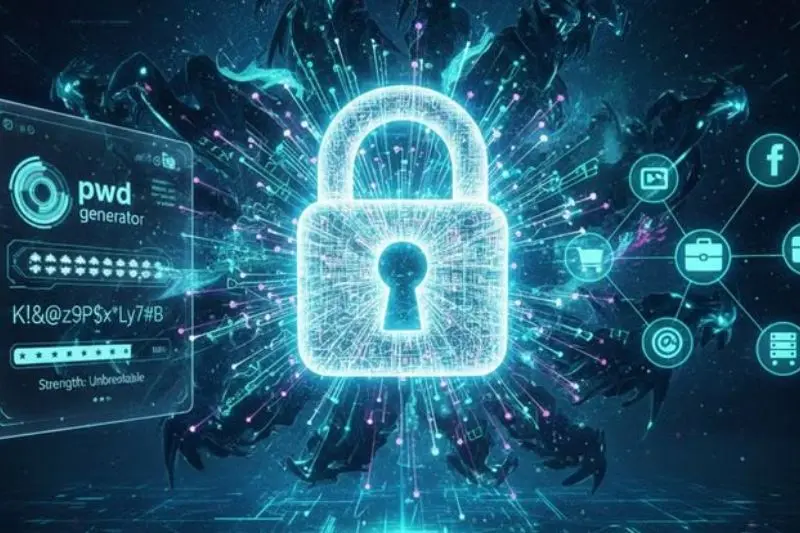
Personal data protection refers to the process of securing your personal information from unauthorized access, misuse, theft, or exposure. It involves using privacy settings, strong passwords, secure internet connections, and safe online habits.
Personal data includes:
- Full name
- Home address
- Email address
- Phone number
- Credit or debit card details
- Bank account information
- National identification numbers
- Login credentials
- Medical records
- Photos and videos
The goal is to ensure only trusted individuals and authorized organizations can access your sensitive information.
Why Is Protecting Your Personal Data Online Important?
Online privacy affects nearly every digital activity. Losing control of your personal data can have serious consequences.
Some major reasons include:
- Prevent identity theft.
- Protect financial accounts.
- Avoid online scams.
- Maintain personal privacy.
- Reduce the risk of cyberattacks.
- Prevent unauthorized account access.
- Protect your digital reputation.
Cybercriminals constantly develop new techniques to steal information, making cybersecurity awareness essential for everyone.
Step-by-Step Guide to Protect Your Personal Data Online
1. Use Strong and Unique Passwords
Passwords are your first line of defense.
Create passwords that:
- Are at least 12 characters long.
- Include uppercase and lowercase letters.
- Contain numbers and symbols.
- Avoid personal information.
- Are unique for every account.
A password manager can securely store complex passwords.
2. Enable Two-Factor Authentication
Two-factor authentication (2FA) adds an extra verification step after entering your password.
Common methods include:
- Authentication apps
- SMS verification codes
- Security keys
- Email verification
Even if someone steals your password, 2FA makes unauthorized access much more difficult.
3. Keep Software Updated
Software updates often contain security patches that fix newly discovered vulnerabilities.
Regularly update:
- Operating systems
- Browsers
- Mobile apps
- Antivirus software
- Smart devices
Enable automatic updates whenever possible.
4. Be Careful with Public Wi-Fi
Public Wi-Fi networks are convenient but often insecure.
Avoid using public Wi-Fi for:
- Online banking
- Shopping
- Business work
- Accessing confidential files
If necessary, use a trusted Virtual Private Network (VPN) to encrypt your connection.
5. Recognize Phishing Attempts
Phishing emails and fake websites trick users into revealing sensitive information.
Warning signs include:
- Urgent messages
- Suspicious links
- Unknown senders
- Grammar mistakes
- Unexpected attachments
Always verify the sender before clicking links.
6. Review Privacy Settings
Many websites collect more information than necessary.
Regularly review privacy settings on:
- Social media accounts
- Search engines
- Mobile apps
- Cloud storage services
Limit data sharing whenever possible.
7. Download Apps Only from Trusted Sources
Fake applications may contain malware.
Download software only from:
- Official app stores
- Verified developers
- Trusted company websites
Check reviews and requested permissions before installation.
8. Secure Your Devices
Enable built-in security features such as:
- Fingerprint authentication
- Face recognition
- Device encryption
- Screen lock
- Automatic locking
Physical security is just as important as online security.
9. Backup Important Data
Data backups help recover information after ransomware attacks, hardware failures, or accidental deletion.
Store backups:
- On external drives
- In secure cloud storage
- Using automatic backup schedules
Test backups periodically to ensure they work.
10. Monitor Your Online Accounts
Check account activity regularly.
Look for:
- Unknown login locations
- Password reset emails
- Unexpected purchases
- Unrecognized devices
Report suspicious activity immediately.
Benefits of Protecting Your Personal Data Online
Protecting your digital information offers numerous advantages:
- Greater online privacy
- Reduced risk of identity theft
- Improved financial security
- Safer online shopping
- Better protection from hackers
- Increased confidence while browsing
- Protection of personal and professional reputation
- Reduced risk of fraud
- Better control over personal information
- Peace of mind
Risks of Ignoring Online Data Protection
Failing to secure personal information can lead to serious problems.
Potential risks include:
- Identity theft
- Financial fraud
- Account hacking
- Data leaks
- Privacy invasion
- Malware infections
- Blackmail
- Reputation damage
- Unauthorized purchases
- Permanent loss of valuable files
Common Mistakes to Avoid
Many users unintentionally weaken their online security.
Avoid these common mistakes:
- Reusing the same password.
- Sharing passwords with others.
- Clicking unknown links.
- Ignoring software updates.
- Posting excessive personal information.
- Using weak passwords.
- Downloading files from unknown websites.
- Disabling antivirus software.
- Connecting to unsecured Wi-Fi.
- Ignoring account security alerts.
Small mistakes often create opportunities for cybercriminals.
FAQs
What is personal data?
Personal data includes any information that identifies you, such as your name, address, email, phone number, financial details, passwords, and identification documents.
Why should I use different passwords?
Using different passwords prevents hackers from accessing multiple accounts if one password becomes compromised.
Is public Wi-Fi always dangerous?
Not always, but unsecured public networks can expose your information. Use a VPN and avoid sensitive activities on public connections.
How often should I update my passwords?
Update important passwords every few months or immediately after a suspected data breach.
What should I do if my account is hacked?
Change your password immediately, enable two-factor authentication, review account activity, and contact the service provider for assistance.
Can antivirus software protect all my personal data?
Antivirus software is helpful, but it cannot prevent every threat. Safe browsing habits, strong passwords, regular updates, and cautious online behavior are equally important.
Expert Tips and Bonus Points
Improve your online security with these additional recommendations:
- Use encrypted messaging apps.
- Disable unnecessary location sharing.
- Lock your SIM card with a PIN.
- Delete unused online accounts.
- Review browser extensions regularly.
- Clear cookies periodically.
- Avoid oversharing on social media.
- Use secure payment methods.
- Enable login notifications.
- Stay informed about the latest cybersecurity threats.
Building good security habits over time provides better protection than relying on a single security tool.
Conclusion

Protecting your personal information online is no longer optional—it is an essential part of living in today’s digital world. Every day, we use the internet to communicate with friends and family, shop online, access banking services, work remotely, study, and manage countless personal tasks. While these digital conveniences have made life easier, they have also increased the amount of sensitive information we share across websites, apps, and connected devices. That is why understanding how to protect your personal data online is one of the most valuable skills anyone can develop.
The good news is that online security does not have to be complicated. Small, consistent actions can make a significant difference in protecting your digital identity. Using strong and unique passwords, enabling two-factor authentication, keeping your software updated, avoiding suspicious emails and links, securing your home Wi-Fi network, reviewing privacy settings, and regularly backing up important files all work together to reduce the risk of cyberattacks. These habits may seem simple, but they form the foundation of effective personal cybersecurity.
It is also important to remember that cyber threats continue to evolve. Hackers constantly develop new techniques to trick users into revealing personal information or installing malicious software. Staying informed about the latest online scams, phishing attempts, and security best practices helps you recognize potential dangers before they become serious problems. A proactive approach is always more effective than trying to recover from identity theft, financial fraud, or a data breach after the damage has already been done.
Another key aspect of protecting your personal data is being mindful of what you share online. Think carefully before posting sensitive information on social media, downloading unfamiliar applications, or granting unnecessary permissions to websites and mobile apps. The less personal information you expose publicly, the more difficult it becomes for cybercriminals to misuse it. Building smart online habits today can provide long-term protection for both your personal and professional life.
Ultimately, learning how to protect your personal data online is an ongoing responsibility rather than a one-time task. Technology will continue to advance, and new digital services will emerge, bringing both opportunities and challenges. By making cybersecurity a regular part of your daily routine and following the practical strategies discussed throughout this guide, you can browse the internet with greater confidence, safeguard your privacy, protect your finances, and enjoy a safer online experience for years to come.
