



Introduction
In today’s competitive digital world, businesses need more than advertisements to attract customers. People no longer want to be interrupted by promotional messages. Instead, they prefer useful, informative, and engaging content that helps solve their problems before making a buying decision. This shift in customer behavior has made content marketing one of the most valuable digital marketing strategies for businesses of every size.
Whether you run a small local shop, an online store, a startup, or an established company, investing in quality content can significantly improve your visibility, build trust, and generate long-term growth. Unlike traditional advertising, content marketing focuses on educating and helping your audience rather than directly selling products or services. As a result, businesses develop stronger relationships with potential customers and increase brand loyalty over time.
This Content Marketing Guide for Businesses explains everything beginners need to know to build an effective content strategy. You’ll learn what content marketing is, why it matters, how to create valuable content, and how to avoid common mistakes that prevent businesses from achieving success. By following the right approach, you can attract qualified visitors, improve search engine rankings, increase customer engagement, and convert readers into loyal buyers.
Another major advantage of content marketing is its long-term value. A well-written blog post, informative video, or helpful guide can continue attracting visitors for months or even years after publication. Unlike paid advertisements that stop delivering results once the budget ends, quality content keeps working for your business around the clock.
Businesses that consistently publish valuable content often establish themselves as trusted authorities within their industries. Customers naturally prefer buying from brands they trust, making content marketing a powerful tool for increasing both credibility and revenue.
In this complete Content Marketing Guide for Businesses, you’ll discover practical strategies, actionable tips, and proven techniques that help create content your audience loves while improving your overall digital marketing performance.
What is Content Marketing?
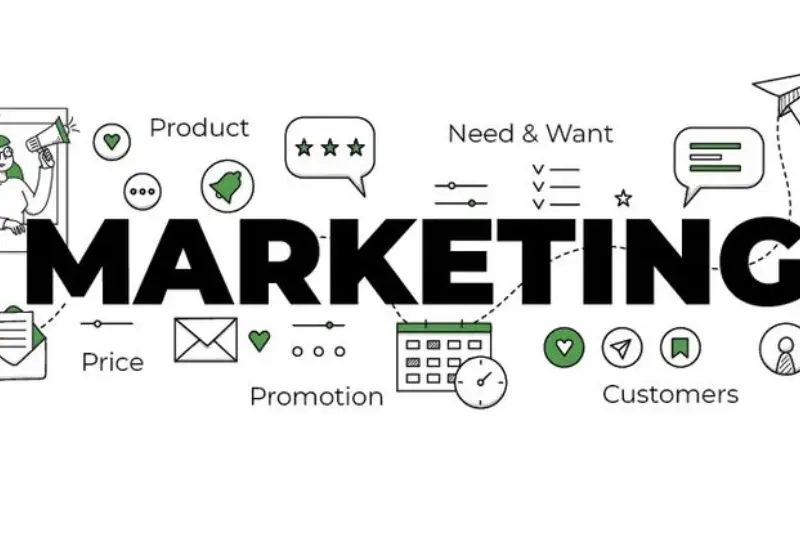
Content marketing is a strategic marketing approach focused on creating, publishing, and distributing valuable, relevant, and consistent content to attract and retain a clearly defined audience. Instead of directly promoting products or services, businesses provide useful information that answers questions, solves problems, educates readers, or entertains them.
The ultimate goal is to build trust with potential customers so they naturally choose your business when they’re ready to make a purchase.
Content marketing works because modern consumers research products before buying. They search online, read articles, compare options, watch videos, and look for expert advice. Businesses that provide helpful information during this research process are more likely to earn customer trust and influence purchasing decisions.
Common Types of Content Marketing
Businesses can create many different forms of content depending on their goals and audience preferences.
Some popular content formats include:
- Blog articles
- Educational guides
- Videos
- Social media posts
- Infographics
- Podcasts
- Case studies
- Email newsletters
- Product tutorials
- Webinars
- E-books
- Checklists
- FAQs
Each content type serves a unique purpose. For example, blogs improve search engine rankings, videos increase engagement, while email newsletters help maintain customer relationships.
How Content Marketing Works
Content marketing follows a simple process:
- Identify your target audience.
- Understand their problems and interests.
- Create valuable content that solves those problems.
- Publish the content consistently.
- Promote it across multiple channels.
- Measure results and improve future content.
When done correctly, this process attracts visitors who are genuinely interested in your products or services.
Example of Content Marketing
Imagine you own a fitness equipment business.
Instead of only advertising exercise machines, you publish articles such as:
- “Best Home Workout Tips for Beginners”
- “How to Choose the Right Treadmill”
- “10 Mistakes People Make While Exercising”
People searching for these topics discover your website through search engines. As they read your helpful content, they begin trusting your expertise. When they decide to purchase fitness equipment, your business becomes one of their top choices.
This is the core principle behind effective content marketing.
Key Elements of Successful Content Marketing
A successful content marketing strategy usually includes:
- Clear business goals
- Audience research
- High-quality content
- SEO optimization
- Consistent publishing schedule
- Content promotion
- Performance tracking
- Regular updates
Without these elements, even well-written content may struggle to generate meaningful business results.
Why is Content Marketing Important?

Content marketing has become one of the most effective ways to grow a business because it focuses on delivering value before asking customers to make a purchase. Instead of interrupting people with advertisements, businesses attract audiences by providing useful information that answers their questions and solves their problems.
Consumers today are more informed than ever. Before buying a product or service, they often search online, compare options, read reviews, and look for trustworthy advice. Businesses that consistently publish helpful content are more likely to earn attention, build credibility, and influence purchasing decisions.
One of the biggest reasons content marketing is important is that it improves online visibility. Search engines favor websites that regularly publish high-quality, relevant, and original content. This means businesses with an active content strategy have a better chance of appearing in search results, leading to increased organic traffic without relying solely on paid advertising.
Content marketing also helps build trust. When readers consistently find useful information on your website, they begin to view your business as a reliable source of knowledge. This trust often translates into stronger customer relationships and higher conversion rates over time.
Another major advantage is cost-effectiveness. While creating quality content requires time and effort, it often delivers long-term results. A well-optimized blog post or guide can continue attracting visitors months or even years after it is published, making it a valuable long-term asset.
Businesses also benefit from improved customer engagement. Informative articles, videos, social media posts, and newsletters encourage people to interact with your brand, share your content, and return for more information. These ongoing interactions help strengthen brand loyalty and increase customer retention.
Additionally, content marketing supports every stage of the customer journey. Educational content attracts new visitors, comparison articles help prospects evaluate options, and tutorials or FAQs assist existing customers after a purchase. This comprehensive approach creates a better overall customer experience while supporting sustainable business growth.
When combined with search engine optimization (SEO), email marketing, and social media marketing, content marketing becomes a powerful strategy for generating leads, increasing website traffic, improving brand awareness, and driving long-term business success. Consistency, quality, and a clear understanding of your audience are the foundations of an effective content marketing strategy.
Detailed Step-by-Step Guide to Content Marketing for Businesses
Creating successful content is not about publishing random blog posts or social media updates. It requires a clear strategy, consistency, and a deep understanding of your audience. Follow these practical steps to build a content marketing plan that delivers long-term results.
Step 1: Define Your Content Marketing Goals
Every successful content marketing strategy starts with clear objectives. Without goals, it’s difficult to measure success or determine whether your efforts are producing results.
Your goals may include:
- Increasing website traffic
- Building brand awareness
- Generating qualified leads
- Improving customer engagement
- Growing email subscribers
- Boosting online sales
- Establishing industry authority
- Improving customer retention
Choose measurable goals so you can evaluate your progress over time. For example, instead of saying “increase traffic,” aim to “increase organic website traffic by 25% within six months.”
Step 2: Understand Your Target Audience
Creating content without knowing your audience is one of the biggest mistakes businesses make. Your content should answer real questions and solve real problems.
Research your audience by identifying:
- Age group
- Gender
- Occupation
- Income level
- Interests
- Challenges
- Buying behavior
- Preferred content formats
You can gather this information through:
- Customer surveys
- Website analytics
- Social media insights
- Customer feedback
- Search queries
- Sales team conversations
Example
If your business sells sports equipment, your audience may include:
- Beginner athletes
- Parents buying equipment
- School sports teams
- Fitness enthusiasts
- Amateur players
Each group requires different types of content.
Step 3: Perform Keyword Research
Keyword research helps you understand what people are searching for online. Creating content around relevant search terms improves your chances of appearing in search engine results.
Look for:
- Primary keywords
- Long-tail keywords
- Question-based keywords
- Low-competition keywords
- Local keywords (if applicable)
For example, instead of targeting only:
“Content Marketing”
You might also target:
- Content marketing strategy
- Content marketing for small businesses
- Beginner content marketing guide
- How to create content for business
- Content marketing tips
Use keywords naturally throughout your content rather than forcing them into every paragraph.
Step 4: Create a Content Strategy
A content strategy provides direction and ensures consistency.
Your strategy should include:
- Target audience
- Content goals
- Publishing schedule
- Content types
- Distribution channels
- SEO plan
- Performance metrics
A simple content calendar helps organize publishing dates and keeps your team consistent.
Example Weekly Calendar
Monday:
Educational blog
Wednesday:
Social media tips
Friday:
Customer success story
Sunday:
Email newsletter
Consistency matters more than publishing large amounts of content at once.
Step 5: Produce High-Quality Content
Quality is more important than quantity.
Every piece of content should provide value to readers by:
- Solving a problem
- Teaching a skill
- Answering questions
- Sharing practical advice
- Offering useful examples
Good content should also be:
- Easy to read
- Well-structured
- Original
- Accurate
- Engaging
- Updated regularly
Avoid copying competitors or producing thin articles simply to increase the number of published posts.
Step 6: Optimize Content for SEO
Search engine optimization helps your content reach more people through organic search.
Basic SEO practices include:
- Use the primary keyword naturally.
- Write descriptive headings.
- Add informative meta titles.
- Write compelling meta descriptions.
- Use short paragraphs.
- Include internal links.
- Optimize images.
- Improve page speed.
- Use descriptive URLs.
SEO should improve readability, not reduce it.
Step 7: Publish Consistently
Publishing one excellent article every few months is rarely enough.
Successful businesses maintain a regular publishing schedule.
Examples include:
- One blog each week
- Three social media posts weekly
- Monthly newsletter
- Quarterly eBook
- Weekly video
Consistency helps build audience expectations while signaling freshness to search engines.
Step 8: Promote Your Content
Publishing content is only half the job.
Promotion ensures your work reaches the right audience.
Popular promotion channels include:
- Social media platforms
- Email marketing
- Business communities
- Industry forums
- Online groups
- Content syndication
- Guest blogging
Repurposing content also increases visibility.
For example:
A blog article can become:
- Instagram posts
- LinkedIn article
- Short video
- Infographic
- Email newsletter
- Podcast discussion
This saves time while reaching multiple audiences.
Step 9: Measure Performance
Tracking performance helps identify what’s working and what needs improvement.
Important metrics include:
- Organic traffic
- Page views
- Bounce rate
- Average session duration
- Click-through rate
- Conversion rate
- Lead generation
- Social shares
- Email subscriptions
Review these metrics regularly and adjust your strategy based on real data.
Step 10: Update Existing Content
Content marketing isn’t only about creating new articles.
Older content often becomes outdated.
Regularly update:
- Statistics
- Examples
- Images
- Keywords
- Internal links
- Product information
- FAQs
Refreshing existing content can improve search rankings and provide better value to readers.
Step 11: Build Trust Through Consistency
Trust develops over time through reliable, helpful content.
Businesses that consistently publish valuable information are more likely to become trusted sources within their industries.
Focus on:
- Honest advice
- Accurate information
- Transparent communication
- Helpful resources
- Consistent quality
Customers are more likely to purchase from brands they trust.
Step 12: Continue Learning and Improving
Digital marketing trends evolve constantly.
Successful businesses regularly:
- Analyze competitors
- Study audience behavior
- Test new content formats
- Experiment with headlines
- Improve SEO strategies
- Update publishing schedules
Continuous improvement ensures your content remains relevant and competitive.
By following these steps, businesses can build a sustainable content marketing strategy that attracts the right audience, strengthens brand authority, increases organic traffic, and supports long-term growth. A thoughtful approach focused on delivering genuine value will always outperform content created solely for search engines.
Benefits of Content Marketing for Businesses
Content marketing offers long-term value that extends far beyond immediate sales. When implemented correctly, it helps businesses attract the right audience, establish credibility, and create lasting customer relationships. Here are some of the most significant benefits:
- Increases Brand Awareness: Consistently publishing valuable content helps more people discover your business through search engines and social media.
- Builds Trust and Credibility: Informative and helpful content positions your business as an expert in your industry.
- Improves Search Engine Rankings: SEO-optimized content increases your chances of ranking higher in search results, leading to more organic traffic.
- Generates High-Quality Leads: Valuable content attracts visitors who are genuinely interested in your products or services.
- Supports the Customer Journey: Content educates potential customers at every stage, from awareness to purchase and beyond.
- Boosts Customer Engagement: Blog posts, videos, newsletters, and social media updates encourage interaction with your audience.
- Delivers Long-Term Results: Unlike paid advertisements, quality content continues to attract traffic and leads long after publication.
- Strengthens Brand Loyalty: Regularly providing useful information encourages customers to return and engage with your business.
- Cost-Effective Marketing Strategy: While creating content requires effort, it often provides a higher return on investment compared to traditional advertising.
- Increases Sales Opportunities: Educated customers are more confident in their purchasing decisions, leading to higher conversion rates.
Disadvantages and Risks of Content Marketing
Although content marketing offers numerous advantages, it also comes with challenges that businesses should understand before investing their time and resources.
Common Disadvantages
- Producing quality content requires time and consistent effort.
- Results usually take months rather than days.
- Competition is high in many industries.
- Poor-quality content can damage your brand’s reputation.
- Maintaining a consistent publishing schedule can be difficult.
- Measuring return on investment may require advanced tracking tools.
- Search engine algorithm updates can affect organic traffic.
- Businesses without a clear strategy may waste valuable resources.
Understanding these challenges helps businesses prepare realistic expectations and develop a more effective content marketing plan.
Common Mistakes to Avoid
Even businesses with good intentions can struggle if they make avoidable mistakes. Recognizing these common issues can improve your chances of success.
1. Publishing Without a Strategy
Creating random articles without clear goals often leads to inconsistent results. Develop a content plan before you begin publishing.
2. Ignoring Audience Needs
Content should answer your audience’s questions and solve their problems. Avoid creating content based solely on what you want to promote.
3. Focusing Only on Sales
Constant promotional content can discourage readers. Balance promotional material with educational and informative content.
4. Neglecting SEO
Excellent content may never reach its audience if it is not optimized for search engines. Use relevant keywords naturally and follow basic SEO best practices.
5. Publishing Inconsistently
Irregular publishing makes it difficult to build an audience. Establish a realistic content calendar and stick to it.
6. Writing Poor Headlines
Your headline determines whether people click on your content. Create clear, informative, and engaging titles that accurately represent the content.
7. Forgetting to Update Older Content
Outdated information reduces credibility. Review and refresh older articles to keep them accurate and relevant.
8. Ignoring Analytics
Without tracking performance, you won’t know which content is generating traffic, leads, or conversions. Regularly review your analytics and adjust your strategy accordingly.
FAQs
What is content marketing?
Content marketing is a strategy that involves creating and sharing valuable, relevant, and consistent content to attract, engage, and retain a target audience. Its primary goal is to build trust and encourage profitable customer actions.
Is content marketing suitable for small businesses?
Yes. Small businesses can benefit significantly from content marketing because it helps increase online visibility, establish credibility, and generate leads without requiring a large advertising budget.
How long does content marketing take to show results?
Content marketing is a long-term strategy. While some improvements may be visible within a few weeks, meaningful growth in traffic and leads often takes three to six months or longer, depending on your industry and consistency.
What types of content perform best?
The most effective content depends on your audience. Popular formats include blog posts, how-to guides, videos, case studies, infographics, email newsletters, product tutorials, and frequently asked questions.
How often should businesses publish content?
Quality is more important than quantity. A consistent schedule—such as one well-researched blog post each week or several social media updates per week—is generally more effective than publishing large amounts of low-quality content.
Can content marketing improve SEO?
Yes. High-quality, keyword-optimized content helps search engines understand your website and improves your chances of ranking higher in search results, leading to increased organic traffic.
Expert Tips and Bonus Points
To maximize the success of your content marketing efforts, keep these expert recommendations in mind:
- Prioritize quality over quantity.
- Research your audience before creating content.
- Use storytelling to make your content more engaging.
- Include practical examples and actionable advice.
- Keep paragraphs short and easy to read.
- Update evergreen content regularly.
- Repurpose successful content into videos, infographics, or email newsletters.
- Use a content calendar to maintain consistency.
- Monitor analytics to identify high-performing topics.
- Focus on solving real customer problems rather than simply promoting products.
- Encourage reader interaction through comments, surveys, or feedback forms.
- Stay informed about industry trends and adapt your strategy as needed.
Conclusion

Content marketing has become one of the most powerful strategies for businesses looking to build long-term success in today’s digital landscape. Rather than relying solely on traditional advertising, businesses can attract potential customers by creating valuable, informative, and engaging content that addresses real needs and interests.
A successful content marketing strategy starts with understanding your audience, setting clear goals, conducting keyword research, and consistently producing high-quality content. When combined with effective search engine optimization, regular publishing, and ongoing performance analysis, content marketing can significantly improve brand visibility, increase website traffic, generate qualified leads, and strengthen customer relationships.
While content marketing requires patience and commitment, the long-term rewards often outweigh the initial investment. High-quality content continues to deliver value long after it is published, making it a sustainable and cost-effective marketing approach for businesses of all sizes.
Avoiding common mistakes—such as publishing without a strategy, neglecting SEO, or focusing only on sales—can dramatically improve your results. Instead, prioritize creating helpful, relevant, and trustworthy content that genuinely benefits your audience.
Whether you are launching a new business or expanding an established brand, this Content Marketing Guide for Businesses provides a strong foundation for developing an effective content strategy. By consistently delivering valuable information and adapting to your audience’s evolving needs, your business can build credibility, foster customer loyalty, and achieve sustainable growth in an increasingly competitive online marketplace.
