


Introduction
The internet has transformed the way people live, work, communicate, and manage their daily responsibilities. From checking emails and shopping online to paying bills, attending virtual classes, managing businesses, and storing personal files in the cloud, digital technology has become deeply integrated into modern life. Nearly every aspect of our routine now depends on internet-connected devices such as smartphones, laptops, tablets, and smart home equipment. While these technological advancements have made life more convenient and productive, they have also introduced new security challenges that cannot be ignored. Every online activity creates opportunities for cybercriminals to exploit weaknesses, steal sensitive information, or disrupt digital systems. This is why understanding Common Cyber Threats and How to Avoid Them has become an essential skill rather than optional knowledge.
Cybercrime is no longer limited to large corporations or government organizations. Individual internet users are increasingly becoming targets because they often lack proper cybersecurity awareness. A single click on a fraudulent email, downloading software from an untrusted website, or using the same password across multiple accounts can expose personal information within minutes. Many people assume hackers only target wealthy individuals or major companies, but cybercriminals frequently focus on ordinary users because they tend to have weaker security practices. Personal information such as email credentials, banking details, social media accounts, identity documents, and even family photos can all become valuable assets for attackers. Once stolen, this information may be used for financial fraud, identity theft, blackmail, or unauthorized access to other online services.
The methods used by cybercriminals continue to evolve rapidly. Traditional computer viruses have been joined by more sophisticated threats such as ransomware, spyware, phishing scams, credential theft, business email compromise, social engineering attacks, and malicious mobile applications. These threats often appear convincing and are specifically designed to trick users into making costly mistakes. Some fake websites look almost identical to legitimate banking portals, while phishing emails may closely resemble official communications from trusted companies. In many cases, victims do not realize they have been attacked until money disappears from their bank accounts, passwords stop working, or important files become inaccessible.
One of the biggest misconceptions about cybersecurity is that only technology experts need to worry about it. In reality, every internet user shares responsibility for protecting their own digital information. Cybersecurity begins with simple habits rather than expensive software or advanced technical skills. Creating strong passwords, enabling two-factor authentication, regularly updating software, recognizing suspicious emails, and backing up important files are practical steps that dramatically reduce the likelihood of becoming a victim. These small actions require very little time but provide significant protection against many of today’s most common cyber threats.
Businesses also face increasing cybersecurity challenges. Small businesses, startups, and local organizations often believe they are too small to attract hackers. Unfortunately, this assumption is incorrect. Many cybercriminals intentionally target smaller organizations because they frequently have weaker security systems than larger enterprises. A successful cyber attack can interrupt business operations, expose customer information, damage a company’s reputation, and result in substantial financial losses. Even a temporary system outage can affect productivity and customer trust. As digital transformation continues across industries, investing in cybersecurity awareness becomes essential for organizations of every size.
The rapid growth of remote work has introduced additional cybersecurity concerns. Employees now access company systems from home networks, coffee shops, airports, hotels, and other public locations. Although remote work offers flexibility, it also increases the number of devices and networks that require protection. Without proper security measures, attackers may exploit unsecured Wi-Fi connections, compromised personal devices, or weak passwords to gain unauthorized access to sensitive business information. This makes cybersecurity awareness equally important for employers and employees working outside traditional office environments.
Another reason why cybersecurity education matters is the increasing amount of personal data shared online every day. Social media platforms encourage users to post photos, travel plans, birthdays, workplaces, and personal interests. While sharing experiences online can be enjoyable, oversharing sensitive information creates opportunities for cybercriminals to launch targeted attacks. Information gathered from social media profiles can be used to guess passwords, answer security questions, or create highly convincing phishing messages. Understanding what information should remain private is an important part of maintaining online security.
Fortunately, staying safe online is much easier than many people imagine. You do not need to become a cybersecurity professional or purchase expensive security products to improve your digital safety. Most successful cyber attacks exploit common human errors rather than complex technical vulnerabilities. Developing good online habits, remaining cautious when interacting with unfamiliar websites or emails, verifying suspicious requests, and keeping software up to date provide a strong foundation for personal cybersecurity. These practices are simple enough for beginners yet effective enough to prevent many common attacks.
Learning about Common Cyber Threats and How to Avoid Them also provides long-term benefits beyond protecting devices. Good cybersecurity practices safeguard financial information, preserve personal privacy, protect family members, secure professional data, and reduce the stress associated with identity theft or online fraud. As technology continues to evolve, new threats will emerge, making ongoing awareness more valuable than ever. The more informed users become, the more difficult it is for cybercriminals to succeed.
This comprehensive guide explains the most common cyber threats affecting internet users today, how these attacks operate, and the practical steps you can take to defend yourself. Whether you are completely new to cybersecurity or looking to strengthen your existing knowledge, the information presented here will help you build safer online habits and make smarter decisions whenever you use the internet. By understanding the risks and applying proven security practices, you can confidently enjoy the benefits of today’s digital world while minimizing your exposure to cyber threats.
What Are Common Cyber Threats?

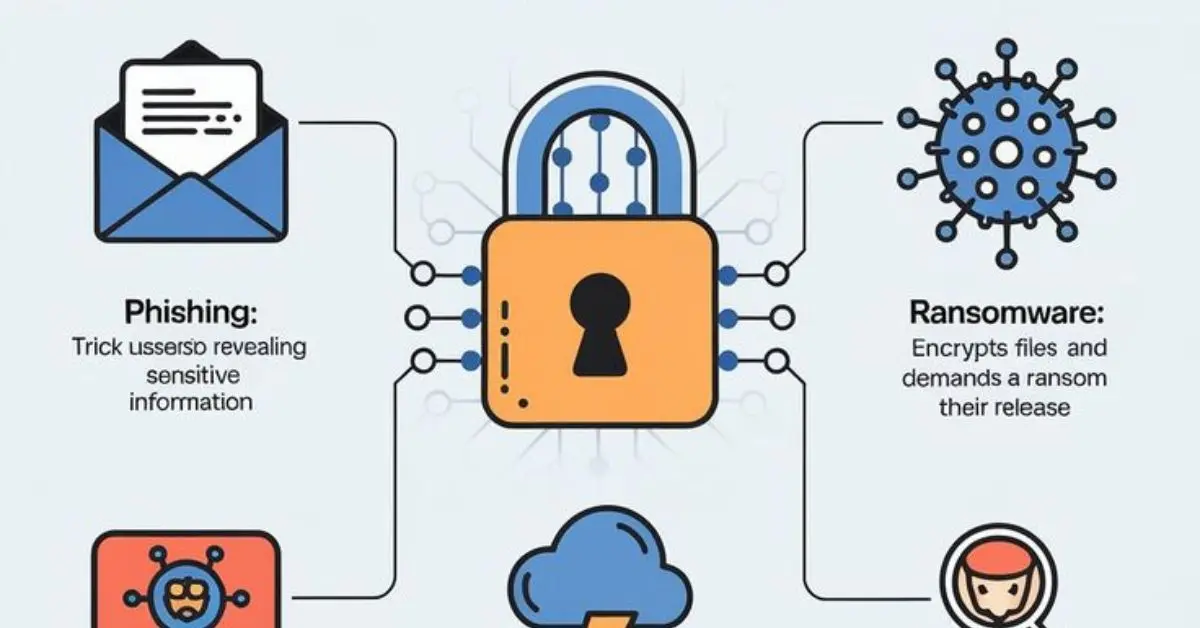
Cyber threats are malicious attempts to damage, steal, or gain unauthorized access to computers, networks, online accounts, or digital information. These attacks are carried out by hackers, cybercriminals, or automated malicious software.
Some cyber attacks aim to steal passwords and financial information, while others encrypt files for ransom or secretly monitor user activity. Understanding these threats is the first step toward preventing them.
Common cyber threats include:
- Phishing attacks
- Malware infections
- Ransomware
- Spyware
- Password attacks
- Identity theft
- Social engineering
- Data breaches
- Distributed Denial-of-Service (DDoS) attacks
Each threat uses different techniques, but all exploit human mistakes or software vulnerabilities.
Why Is Understanding Cyber Threats Important?
Learning about common cyber threats and how to avoid them helps individuals and organizations reduce security risks before damage occurs.
Benefits include:
- Protecting personal information
- Preventing financial fraud
- Securing business data
- Reducing identity theft risks
- Improving online privacy
- Maintaining customer trust
- Preventing expensive recovery costs
Cybersecurity awareness is often the strongest defense against digital attacks.
Step-by-Step Guide to Avoid Common Cyber Threats
1. Recognize Phishing Emails
Phishing is one of the most common cyber attacks. Attackers send fake emails pretending to be trusted companies, banks, or government agencies.
Warning signs include:
- Urgent requests
- Suspicious links
- Grammar mistakes
- Unexpected attachments
- Requests for passwords or payment
Always verify the sender before clicking anything.
2. Create Strong Passwords
Weak passwords remain one of the biggest security problems.
A secure password should:
- Be at least 12 characters long
- Include uppercase and lowercase letters
- Contain numbers and symbols
- Avoid personal information
- Be unique for every account
Using a password manager makes it easier to manage multiple strong passwords.
3. Enable Two-Factor Authentication
Two-factor authentication (2FA) adds another security layer beyond your password.
Even if someone steals your password, they still need the verification code from your phone or authentication app.
Enable 2FA on:
- Email accounts
- Banking apps
- Social media
- Cloud storage
- Business accounts
4. Keep Software Updated
Software updates often include security patches that fix known vulnerabilities.
Update:
- Operating systems
- Browsers
- Antivirus software
- Mobile apps
- Office software
Automatic updates provide the easiest protection.
5. Install Reliable Antivirus Software
Modern antivirus software detects malware before it causes serious damage.
Choose software that offers:
- Real-time scanning
- Web protection
- Email protection
- Automatic updates
- Ransomware protection
Regular system scans improve overall security.
6. Avoid Public Wi-Fi Risks
Public Wi-Fi networks are convenient but often insecure.
If you must use public Wi-Fi:
- Avoid online banking
- Don’t access sensitive work files
- Use encrypted websites
- Turn off file sharing
- Consider using a VPN
These precautions reduce the risk of data interception.
7. Back Up Important Files
Ransomware can lock your files until payment is made.
Regular backups protect against permanent data loss.
Follow the 3-2-1 backup strategy:
- Three copies of data
- Two different storage devices
- One off-site or cloud backup
Backups make recovery much easier.
8. Be Careful with Downloads
Only download software from trusted sources.
Avoid:
- Pirated software
- Unknown websites
- Suspicious email attachments
- Random browser pop-ups
Scanning downloaded files before opening them provides additional protection.
Benefits of Understanding Common Cyber Threats
Learning cybersecurity basics offers many advantages:
- Better online privacy
- Reduced risk of hacking
- Stronger password habits
- Safer online banking
- Improved business security
- Lower financial losses
- Increased confidence online
- Better protection for family members
- Faster threat detection
- Greater awareness of scams
Disadvantages and Risks
Ignoring cybersecurity can lead to serious problems:
- Identity theft
- Financial fraud
- Account takeovers
- Data loss
- Privacy violations
- Business disruption
- Reputation damage
- Ransomware infections
- Permanent file deletion
- Legal consequences after data breaches
The risks are far greater than the effort required to stay protected.
Common Mistakes to Avoid
Many cyber attacks succeed because users repeat common security mistakes.
Avoid these errors:
- Reusing passwords across websites
- Ignoring software updates
- Clicking unknown email links
- Sharing sensitive information online
- Using weak passwords
- Downloading files from untrusted websites
- Disabling antivirus software
- Ignoring browser security warnings
- Connecting to unsecured public Wi-Fi without precautions
- Failing to back up important data
Replacing these habits with safer practices significantly improves cybersecurity.
FAQs
What is the most common cyber threat today?
Phishing remains one of the most widespread cyber threats because it targets human behavior rather than technical weaknesses. Attackers trick users into revealing passwords, banking details, or personal information.
Can antivirus software stop every cyber attack?
No. Antivirus software provides strong protection against many threats, but no security solution guarantees complete safety. Safe browsing habits and cybersecurity awareness are equally important.
Why should I update my software regularly?
Software updates fix security vulnerabilities that hackers may exploit. Delaying updates leaves devices exposed to known attacks.
Is public Wi-Fi always dangerous?
Not always, but public networks often lack proper encryption. Avoid accessing sensitive accounts unless you are using secure connections and additional protection.
What should I do if I suspect my account has been hacked?
Immediately change your password, enable two-factor authentication, review account activity, notify the service provider if necessary, and monitor for suspicious transactions.
How often should I back up my files?
Important files should be backed up regularly. Businesses may require daily backups, while personal users should create backups weekly or whenever important information changes.
Expert Tips and Bonus Points
Cybersecurity experts recommend building good habits rather than relying on a single security tool.
Useful recommendations include:
- Review account activity regularly.
- Remove unused online accounts.
- Lock devices with PINs or biometric authentication.
- Be cautious when sharing information on social media.
- Verify website addresses before entering passwords.
- Enable security alerts for banking and email accounts.
- Educate family members about online scams.
- Test your backups to ensure they work properly.
- Separate work and personal accounts whenever possible.
- Stay informed about emerging cyber threats.
Small improvements made consistently create strong long-term protection.
Conclusion
As our dependence on digital technology continues to grow, cybersecurity has become an essential part of everyday life. Whether you use the internet for work, education, banking, shopping, entertainment, or staying connected with friends and family, your personal information is constantly at risk from evolving cyber threats. Understanding Common Cyber Threats and How to Avoid Them is one of the most effective ways to protect yourself from online criminals who are always searching for new opportunities to exploit vulnerable users and systems.
Fortunately, staying safe online does not require advanced technical expertise or expensive security solutions. Most successful cyber attacks rely on simple human mistakes, such as clicking suspicious links, using weak passwords, ignoring software updates, or sharing too much personal information online. By developing strong cybersecurity habits, you can significantly reduce the likelihood of becoming a victim. Small actions like enabling two-factor authentication, creating unique passwords, backing up important files, installing trusted antivirus software, and remaining cautious when opening emails or downloading files can provide powerful protection against many common attacks.
Cybersecurity should not be viewed as a one-time task but as an ongoing commitment. New malware, phishing scams, ransomware campaigns, and social engineering techniques continue to emerge as technology evolves. Staying informed about the latest threats and regularly reviewing your online security practices will help you adapt to changing risks and maintain stronger protection over time. Making cybersecurity part of your daily routine ensures that you remain prepared rather than reacting after an attack has already occurred.
Businesses, organizations, and individuals all share responsibility for creating a safer digital environment. Employers should educate their staff about cybersecurity best practices, while parents can teach children how to recognize online scams and browse responsibly. Encouraging cybersecurity awareness within families, schools, and workplaces creates multiple layers of protection and reduces the success of cybercriminals who often rely on human error rather than technical vulnerabilities.
Ultimately, learning about Common Cyber Threats and How to Avoid Them is an investment in your digital future. Every preventive measure you take today helps safeguard your privacy, finances, online accounts, and valuable personal information tomorrow. As cyber threats continue to evolve, consistent awareness, responsible online behavior, and proactive security practices will remain your strongest defenses. By staying alert, following proven cybersecurity guidelines, and making informed decisions whenever you are online, you can enjoy the convenience of the digital world with greater confidence, security, and peace of mind.
