


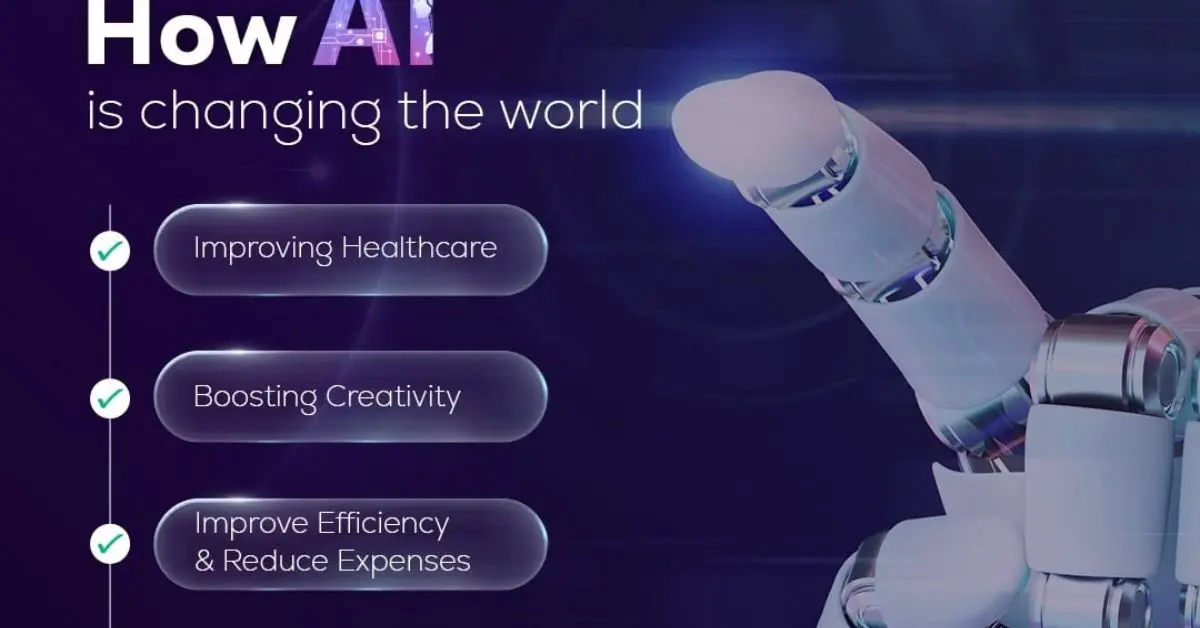
Introduction
The business world is evolving at an incredible pace, and technology continues to shape how organizations operate, communicate, and grow. From small startups and family-owned businesses to global corporations, every organization is looking for smarter ways to improve productivity, reduce costs, and deliver better experiences to customers. In this competitive environment, artificial intelligence has become one of the most valuable technologies available. What was once considered an advanced innovation reserved for large technology companies is now accessible to businesses of every size. As a result, understanding the AI tools every business should use has become essential for entrepreneurs, managers, and business owners who want to stay ahead of the competition.
Artificial intelligence is no longer a futuristic concept. It has become a practical business solution that helps organizations complete everyday tasks more efficiently and accurately. Instead of spending countless hours on repetitive activities such as responding to customer inquiries, organizing information, creating reports, scheduling meetings, or managing marketing campaigns, businesses can now rely on AI-powered tools to handle much of this work automatically. This allows employees to dedicate more time to strategic planning, creative thinking, innovation, and building stronger relationships with customers.
One of the biggest reasons AI has gained widespread popularity is its ability to improve efficiency without requiring businesses to dramatically increase their workforce. Every organization faces limited resources, whether in terms of time, money, or personnel. Hiring additional employees can be expensive, while increasing workloads often leads to stress, burnout, and reduced productivity. AI tools help solve these challenges by automating routine processes, minimizing manual effort, and streamlining daily operations. Even small improvements in efficiency can produce significant long-term benefits, especially for businesses operating in highly competitive markets.
Customer expectations have also changed significantly over the past few years. Modern consumers expect quick responses, personalized recommendations, accurate information, and seamless service across multiple communication channels. Businesses that fail to meet these expectations often lose customers to competitors that provide faster and more efficient experiences. AI tools make it easier to deliver high-quality customer service by offering instant responses, organizing customer information, analyzing buying behavior, and helping support teams resolve issues more effectively. Instead of replacing human interaction, AI enhances it by allowing employees to focus on conversations that require empathy, expertise, and problem-solving skills.
Marketing is another area where AI has transformed business operations. Creating content, managing social media platforms, writing email campaigns, analyzing advertising performance, and researching customer preferences can require many hours of work every week. AI-powered marketing tools simplify these responsibilities by generating ideas, organizing campaigns, identifying trends, and providing valuable insights based on data. Businesses can produce more consistent marketing materials while making better decisions about where to invest their time and budget. This leads to improved customer engagement and stronger returns on marketing investments.
Data has become one of the most valuable assets for modern organizations. Every customer interaction, online purchase, website visit, and business transaction generates information that can help companies make better decisions. However, manually analyzing large amounts of data is often time-consuming and difficult. AI tools excel at processing vast quantities of information quickly, identifying patterns that humans might overlook, and presenting meaningful insights in an understandable format. Business leaders can use these insights to forecast demand, improve products, optimize pricing strategies, and identify new growth opportunities with greater confidence.
Another important advantage of AI is its accessibility. In the past, implementing advanced technology required significant financial investment and specialized technical knowledge. Today, many AI platforms offer affordable subscription plans, cloud-based services, and user-friendly interfaces that make them suitable even for businesses with limited technical expertise. Many providers also offer free versions that allow organizations to explore AI capabilities before making a larger investment. This accessibility has enabled businesses of all sizes to benefit from automation and intelligent software without requiring large development teams or expensive infrastructure.
Despite these advantages, adopting AI should never be viewed as simply installing new software and expecting immediate success. The most successful businesses approach AI strategically by identifying their biggest operational challenges, selecting tools that align with their goals, and ensuring employees receive proper training. Artificial intelligence is most effective when it supports human expertise rather than attempting to replace it. While AI can process information quickly, automate repetitive tasks, and recognize patterns, people remain essential for critical thinking, ethical decision-making, creativity, leadership, and relationship building.
It is also important for businesses to understand that not every AI tool will be suitable for every organization. A retail business may prioritize inventory forecasting and customer service automation, while a marketing agency may benefit more from content creation and campaign analysis tools. Similarly, manufacturers, healthcare providers, financial institutions, educational organizations, and professional service firms all have unique operational requirements. Choosing solutions that address specific business needs produces better results than adopting technology simply because it is popular.
Security and responsible data management should also remain priorities when implementing AI solutions. Businesses often handle sensitive customer information, financial records, and confidential operational data. Selecting trusted platforms, following privacy regulations, limiting unnecessary data access, and maintaining human oversight help reduce risks while ensuring AI supports responsible business practices. Organizations that combine innovation with strong governance are better positioned to build customer trust and maintain long-term success.
The pace of AI development continues to accelerate, introducing new capabilities that were unimaginable only a few years ago. Businesses that remain informed about these advancements can adapt more quickly to changing market conditions, improve operational efficiency, and respond to customer needs more effectively. Rather than viewing artificial intelligence as a temporary trend, successful organizations increasingly see it as a long-term investment that strengthens decision-making, supports sustainable growth, and creates lasting competitive advantages.
This guide explores the AI tools every business should use, explains why they have become indispensable in today’s marketplace, and provides practical advice for selecting and implementing them successfully. Whether you are launching your first business, expanding an established company, or simply looking for smarter ways to work, understanding how AI can improve productivity, customer satisfaction, and business performance will help you make informed decisions that support future growth. By combining the right technology with skilled employees and a clear business strategy, organizations of every size can unlock new opportunities, overcome everyday challenges, and build a stronger, more resilient future.
What Are AI Tools Every Business Should Use?

AI tools are software applications powered by artificial intelligence that help businesses automate tasks, analyze information, and improve productivity.
These tools can perform a wide variety of functions, including:
- Writing marketing content
- Answering customer questions
- Scheduling meetings
- Managing projects
- Creating reports
- Designing graphics
- Organizing business data
- Predicting customer behavior
Instead of spending hours completing repetitive work, employees can focus on solving problems, serving customers, and growing the business.
Businesses of all sizes—from freelancers to multinational companies—can benefit from AI-powered solutions.
Why Are AI Tools Every Business Should Use Important?
Technology continues to reshape the business world, making efficiency a major competitive advantage. AI tools help companies work faster while maintaining quality.
Some key reasons businesses should adopt AI include:
- Reducing repetitive manual work
- Improving customer experience
- Increasing employee productivity
- Supporting better business decisions
- Saving operational costs
- Enhancing marketing performance
- Managing larger workloads without hiring additional staff
Organizations that embrace AI responsibly often gain an advantage over competitors that continue relying entirely on manual processes.
Step-by-Step Guide to Using AI Tools in Your Business
Step 1: Identify Business Challenges
Before selecting any software, identify areas where your business struggles.
Examples include:
- Slow customer support
- Time-consuming reporting
- Inefficient marketing
- Poor workflow management
- Manual data entry
Understanding your needs helps you choose the right solution.
Step 2: Choose the Right AI Tools
Different tools solve different problems.
For example:
- Writing assistants for content creation
- Customer support chatbots
- AI design platforms
- Project management assistants
- Data analytics software
- Email automation systems
Avoid purchasing multiple tools that perform the same function.
Step 3: Start Small
Instead of transforming every department at once, begin with one area.
You might automate email responses or create marketing content first. Once your team becomes comfortable, gradually expand AI adoption.
Step 4: Train Your Team
Even the best software requires proper training.
Employees should understand:
- How the tool works
- When to use it
- Its limitations
- Data privacy practices
- Quality control procedures
Training reduces mistakes and increases confidence.
Step 5: Monitor Performance
Track measurable improvements such as:
- Time saved
- Customer satisfaction
- Marketing results
- Sales performance
- Employee productivity
- Operational costs
Regular reviews ensure the investment delivers real value.
Step 6: Improve Continuously
Business needs change over time.
Review your AI strategy regularly and replace outdated tools when better solutions become available. Continuous improvement helps maintain long-term efficiency.
Benefits of AI Tools Every Business Should Use
Businesses adopting AI often experience several advantages:
- Increased productivity across departments
- Faster completion of repetitive tasks
- Improved customer support availability
- Better decision-making through data analysis
- Lower operational expenses
- More consistent marketing campaigns
- Enhanced employee efficiency
- Reduced human error
- Better resource allocation
- Improved scalability as the business grows
Disadvantages and Risks
Although AI offers many benefits, businesses should understand potential challenges.
- Initial learning curve
- Subscription costs for premium tools
- Data privacy concerns
- Overdependence on automation
- Occasional inaccurate results
- Need for human review
- Integration challenges with existing software
- Employee resistance to change
Balancing automation with human oversight produces the best outcomes.
Common Mistakes to Avoid
Many organizations fail to maximize AI because they make avoidable mistakes.
Common errors include:
- Implementing AI without clear objectives
- Ignoring employee training
- Depending entirely on automated decisions
- Choosing tools based only on popularity
- Forgetting to measure performance
- Using too many overlapping applications
- Neglecting cybersecurity and data protection
- Failing to update workflows as the business evolves
Avoiding these mistakes helps ensure successful implementation.
FAQs
Are AI tools only suitable for large businesses?
No. Small businesses, freelancers, startups, and medium-sized companies can all benefit from AI solutions. Many platforms offer affordable plans designed specifically for smaller organizations.
Will AI replace employees?
In most cases, AI supports employees rather than replacing them. It automates repetitive tasks while allowing people to focus on creative thinking, customer service, leadership, and strategic planning.
Are AI tools expensive?
Not necessarily. Many providers offer free versions, affordable monthly subscriptions, and scalable pricing that grows with your business.
Which department benefits most from AI?
Marketing, customer service, finance, sales, operations, and human resources all benefit from AI. The best starting point depends on your organization’s biggest challenges.
Is technical knowledge required?
Most modern AI platforms are designed for beginners. They feature simple dashboards, guided setup, and user-friendly interfaces, making them accessible to non-technical users.
How can businesses measure AI success?
Track key performance indicators such as productivity improvements, customer satisfaction, cost savings, faster response times, increased sales, and employee efficiency. Comparing results before and after implementation provides valuable insights.
Expert Tips and Bonus Points
To maximize the value of AI:
- Begin with one clearly defined business problem.
- Select tools that integrate with existing systems.
- Maintain human review for important decisions.
- Train employees regularly.
- Protect customer and company data.
- Review performance every month.
- Update workflows as technology improves.
- Focus on long-term business goals rather than short-term trends.
Businesses that combine AI with skilled employees often achieve the strongest results.
Conclusion

Artificial intelligence has rapidly become one of the most valuable technologies available to modern businesses. What was once viewed as an advanced innovation reserved for large corporations is now accessible to organizations of every size, from small startups and local businesses to global enterprises. By adopting the AI tools every business should use, companies can simplify everyday operations, improve productivity, strengthen customer relationships, and make more informed decisions based on data rather than guesswork. As competition continues to grow across industries, businesses that embrace AI responsibly are better equipped to adapt to changing market demands and achieve long-term success.
One of the greatest advantages of AI is its ability to automate repetitive and time-consuming tasks. Activities such as managing emails, organizing schedules, generating reports, analyzing customer behavior, creating marketing content, and handling routine customer inquiries can now be completed more efficiently with the help of intelligent software. This allows employees to focus on higher-value responsibilities that require creativity, strategic thinking, collaboration, and problem-solving. Instead of replacing people, AI works best as a powerful assistant that enhances human capabilities and improves overall workplace efficiency.
However, implementing AI successfully requires careful planning rather than simply adopting the latest technology. Businesses should begin by identifying their biggest operational challenges and selecting tools that directly address those needs. Investing in employee training, monitoring performance regularly, protecting sensitive business data, and maintaining human oversight are all essential steps in ensuring that AI delivers measurable value. Organizations that approach AI strategically are more likely to experience sustainable improvements in efficiency, customer satisfaction, and profitability.
It is equally important to remember that AI is not a one-size-fits-all solution. Every business has unique goals, workflows, and customer expectations. A retail company may prioritize inventory management and personalized recommendations, while a service-based business may focus on customer support and appointment scheduling. Choosing tools that align with specific business objectives ensures better results and prevents unnecessary spending on software that offers little practical benefit.
As AI technology continues to evolve, new opportunities will emerge for businesses to innovate, streamline operations, and remain competitive in an increasingly digital economy. Companies that stay informed about these developments and remain willing to adapt will be better positioned to overcome challenges and seize new growth opportunities. Rather than viewing AI as a temporary trend, businesses should consider it a long-term investment that supports continuous improvement and operational excellence.
Ultimately, the AI tools every business should use are those that solve real problems, improve efficiency, and complement the skills of employees. When combined with thoughtful planning, responsible implementation, and a commitment to continuous learning, artificial intelligence can become a powerful driver of business growth. Organizations that embrace this technology wisely will not only increase productivity and reduce costs but also build stronger customer relationships, make smarter decisions, and create a solid foundation for long-term success in an increasingly competitive marketplace.
